Conquer the Moor by Compass and Courage

Join us as we explore Navigation Skills Routes: Map-and-Compass Challenges over Dartmoor Tors, blending practical navigation drills with inspiring moorland stories. From Haytor’s sweeping granite to High Willhays’ windswept heights, we’ll practice precise bearings, contour interpretation, and safe route choices. Expect clear exercises, cautionary tales, and friendly encouragement to help you stride confidently across mist, tussocks, and clitter while keeping curiosity, safety, and joy at the heart of every step.

Reading the Land: Tors, Contours, and Sky
Contours form sentences across the map: tight rings warn of steep shoulders, scooped reentrants funnel wind and footsteps, and long spurs promise gentler passage. Practice tracing your fingertip along brown lines, predict slope underfoot, then confirm with compass and pacing. In fog, those imagined shapes become trustworthy companions, guiding micro-choices between bog, rock, and heather while keeping your bearing honest and your timing realistic on tiring, uneven ground.
Granite outcrops carry legends and useful clues. Hound Tor’s broken teeth, Haytor’s proud twin crowns, and the bulky mass of Yes Tor and High Willhays offer silhouettes, shelter, and attack points. Notice clitter fans spreading like tailings, cairns perched on knolls, and worn trods slipping between boulders. Combine these memorable edges with a precise bearing to arrive deliberately, not accidentally, even when gusts scatter voices and visibility contracts without warning across the moor.
The sky becomes another instrument. Moving cloud shadows reveal ridgelines; fading contrast hints at distance; skylining tors sharpen or blur as moisture rises. Train your eye to measure visibility bands, align sun angle with time, and sense wind-driven drift on long legs. Pair those subtle observations with disciplined compass work, refining corrections gently rather than lurching, so each course adjustment is small, confident, and anchored to what the land and light are saying.

Compass Mastery in Open Moorland

An honest compass, steady hands, and practiced habits turn featureless expanses into manageable legs. We’ll rehearse accurate bearings, sensible aiming-off, boxing around obstacles, and reliable pacing over tussocks and peat. Expect reminders about declination checks, needle damping in high winds, and resetting after distractions. With a rhythm of short confirmations and clear attack points, you will move smoothly, conserve energy, and remain calm when rain needles your cheeks or dusk settles unexpectedly.

Stringing Pearls Across the Moor

Pick a sequence that sings: Haytor to Hound Tor to Greator Rocks, or a sterner circuit touching Yes Tor and High Willhays. Space checkpoints sensibly, visualise legs, and preselect catching features. Apply Naismith’s rule, then add moorland tax for bog, tussocks, and photo pauses. Mark snack halts before morale dips. Keep purpose flexible, so changing wind or visibility simply shifts which pearls you collect today, preserving delight and safe daylight for the finish.

Plan B, C, and Escape Lines

Weather, water levels, and energy vary. Draft fallback lines, rough bearings to roadheads, and sheltered options through lower slopes or along leats and walls. Identify bridges, stepping stones, and safe fords, discarding risky shortcuts. Keep a basic escape bearing to a known edge of the map for emergencies. Rehearse how you will brief companions if plans switch, preserving trust and rhythm while avoiding the invisible cost of dithering in cold, wet wind.

Maps That Matter

The right tools amplify judgment. OS Explorer OL28 at 1:25,000 reveals walls, reentrants, and access nuances, while Landranger 1:50,000 supports big-picture choices. Protect paper in a reliable case; keep a grease pencil for notes. Store offline GPX maps and spare phone power, yet prioritise traditional skills first. Calibrate your compass, check local declination before leaving, and commit grid references of key tors to memory, sharpening fluency long before cloud wraps the ridge.

Safety, Weather, and Wild Realities

Dartmoor’s beauty wears fast-changing moods. Clear blue can flip to sideways rain and muffled horizons, testing decisions and kit discipline. We’ll build robust habits: generous clothing, redundant lighting, emergency shelter, and honest turnaround times. Practical weather reading links with human factors, helping you separate pride from purpose. With thoughtful systems and shared expectations, even rough days deliver warmth, learning, and the quiet confidence to come back stronger rather than lucky.

Stories from the Granite: Lessons Learned

{{SECTION_SUBTITLE}}

The Day the Moor Stole the Horizon
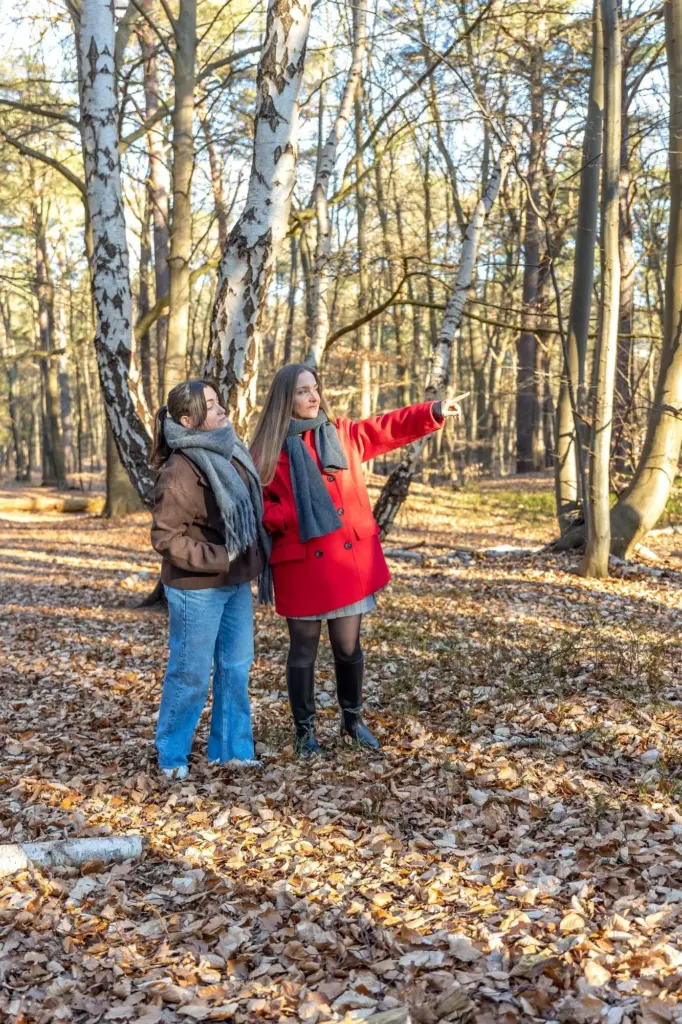
Fog rolled over Yes Tor so quickly that the horizon vanished mid-sentence. Our bearing felt wrong because our nerves felt loud. We slowed, counted paces, confirmed slope angle with fingertips on the map, and hit a tiny stream exactly where predicted. Relief blossomed into trust. That quiet arrival—no drama, just correctness—became a touchstone we revisit whenever wind bullies certainty and impatient footsteps beg for reckless shortcuts across sodden, boot-sucking ground.

Finding Hound Tor by Sound and Slope

A headwind muted distant voices near Hound Tor, yet the ground whispered its story. The slope’s camber nudged our ankles, matching the map’s gentle fall. We followed clitter tongues like conveyor belts, checked a distinctive knoll, and arrived laughing at how ordinary accuracy felt. That day taught us to listen through our soles and palms, not only our eyes, until the land’s grammar nested securely inside every small decision.

Three-Leg Bearing Circuit

Choose three tors within comfortable reach and design a triangle of legs that crosses at least one rough patch. Set bearings, select obvious catching features, and commit predicted timings. Walk steadily, counting paces aloud, correcting drift early. Debrief at each point: compare expected slope, surface, and wind with reality. Note fatigue’s effect on counting, then tweak your pacing factor. Share your route sketch and insights with our community to widen the learning.

Resection from the Rocks

From an identifiable rock outcrop or wall corner, take back bearings to two distinct tors or landmarks. Plot intersecting lines on the map to confirm your position, then add a third feature to test precision. Repeat in mixed light, mist, or wind. Record grid references before and after checks, noting differences. This calm discipline turns relocation into a practiced habit rather than a nervous scramble, especially when the moor steals visual anchors without apology.
Kentodexotavotelimirarino
Privacy Overview

This website uses cookies so that we can provide you with the best user experience possible. Cookie information is stored in your browser and performs functions such as recognising you when you return to our website and helping our team to understand which sections of the website you find most interesting and useful.